In the final stretch leading up to the Conference of the Parties to the United Nations Framework Convention on Climate Change, Brazil may see its environmental licensing system distorted, making those affected even more vulnerable to climate change.
Published 22/08/2025 - Updated 10/11/2025
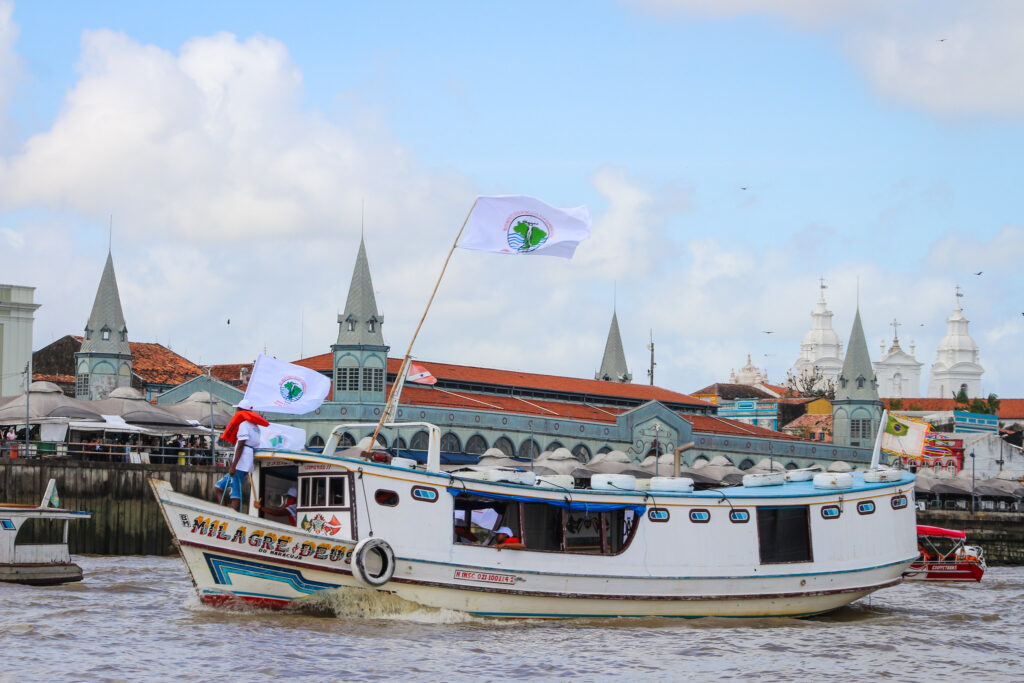
Amidst the accommodation and infrastructure crisis in Belém (PA), host city of the 30th UN Climate Conference, the country is just over two months away from the event, with many environmental challenges that are likely to grab the world’s attention. From November 10 to 21, the capital of Pará will host debates of extreme global importance between states, governments, and civil society. The main objective is to assess the progress of the Paris Agreement, review emission reduction targets, and discuss concrete actions to curb global warming, such as climate finance (initiatives to contain emissions). And the insistence on holding the event in the Amazon, despite the structural difficulties, is not without purpose. The territory should be highlighted in the main forums of the program. But what do Brazilians think, especially those in the Amazon, who are directly affected by climate change?
For the Movimento dos Atingidos por Barragens (MAB), it is impossible to devise real solutions to the world’s environmental problems without listening to the populations that are directly affected by climate imbalances. It is worth noting that climate change disproportionately affects vulnerable populations, such as the poor, black people, indigenous peoples, women, and children. This is due to factors such as geographical location, limited access to resources and infrastructure, and greater exposure to extreme weather events and their impacts.
Due to historical contradictions in the country’s current economic model, the populations on the front lines of the fight against the destruction of natural ecosystems are the hardest hit by the devastating effects of recent environmental tragedies, even though they contribute the least to the greenhouse gas emissions responsible for global warming. These are communities of fishermen, extractivists, family farmers, indigenous peoples, and quilombolas who make their living from low-impact activities and wage a daily struggle against insecurity, the loss of their ways of life, and the violation of human rights. Even so, they have little or no representation in the official COP discussions, while agribusiness, mining, and energy companies have gained increasing influence in the Conference’s decisions.
People’s Summit
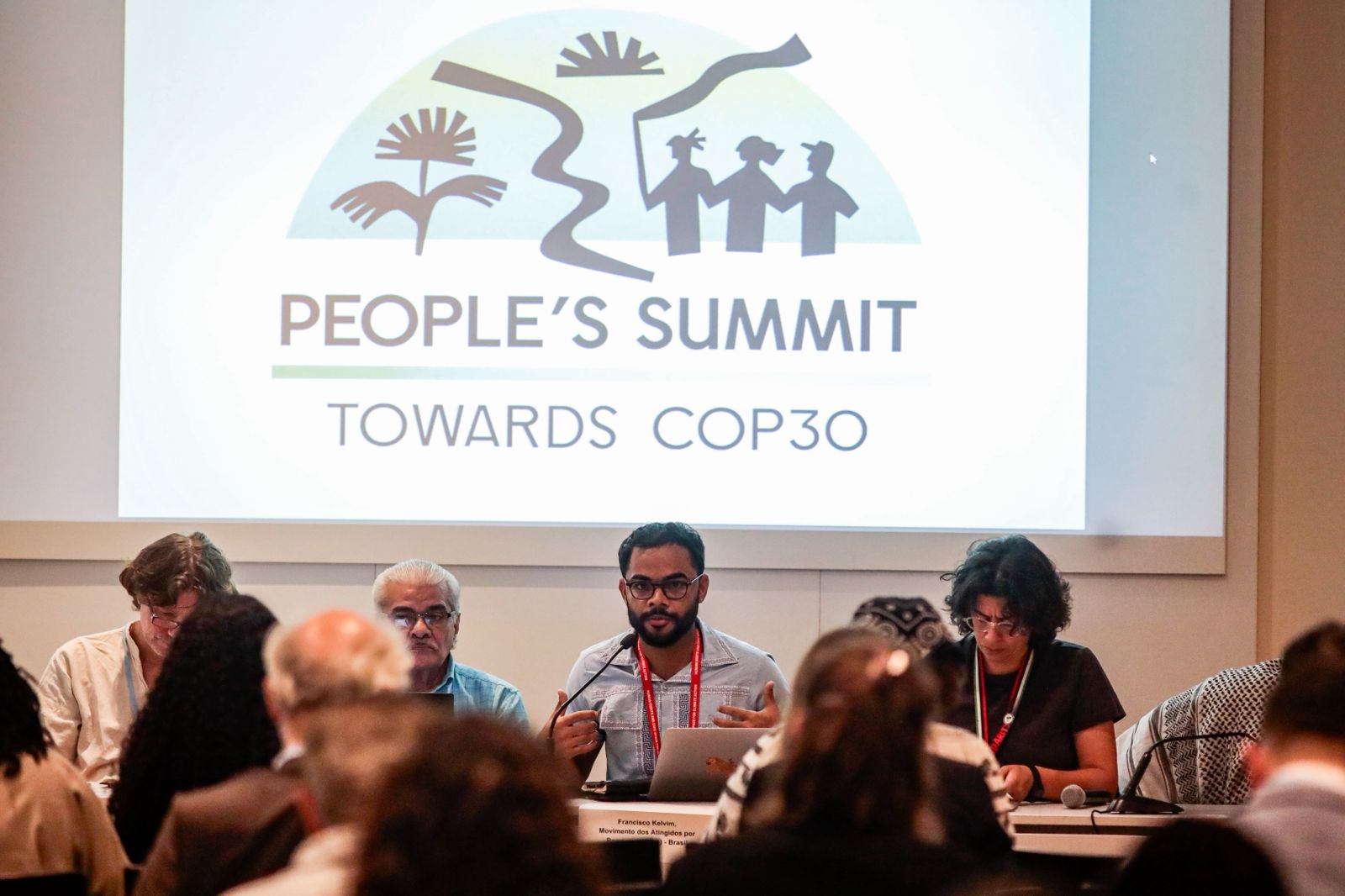
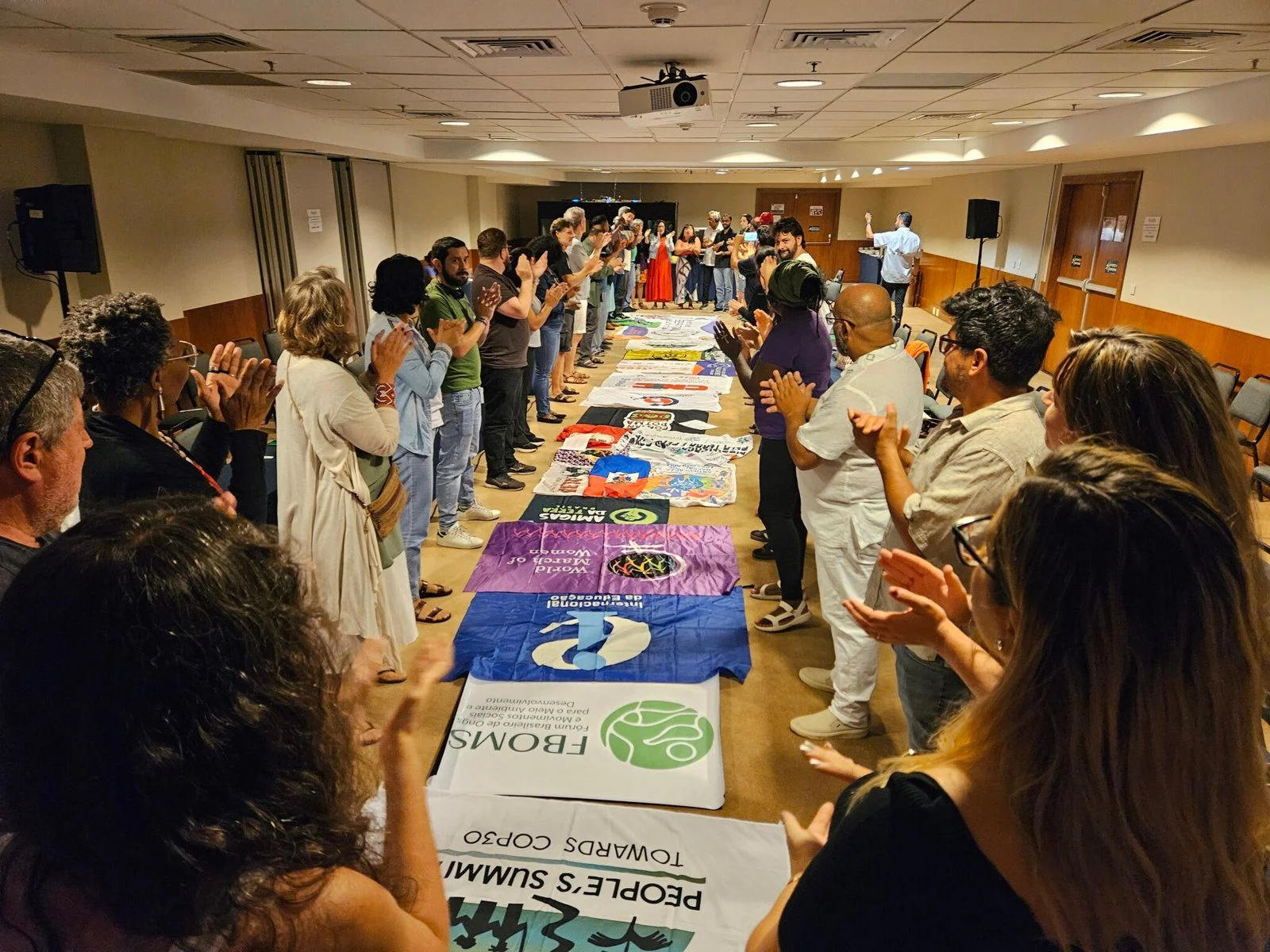
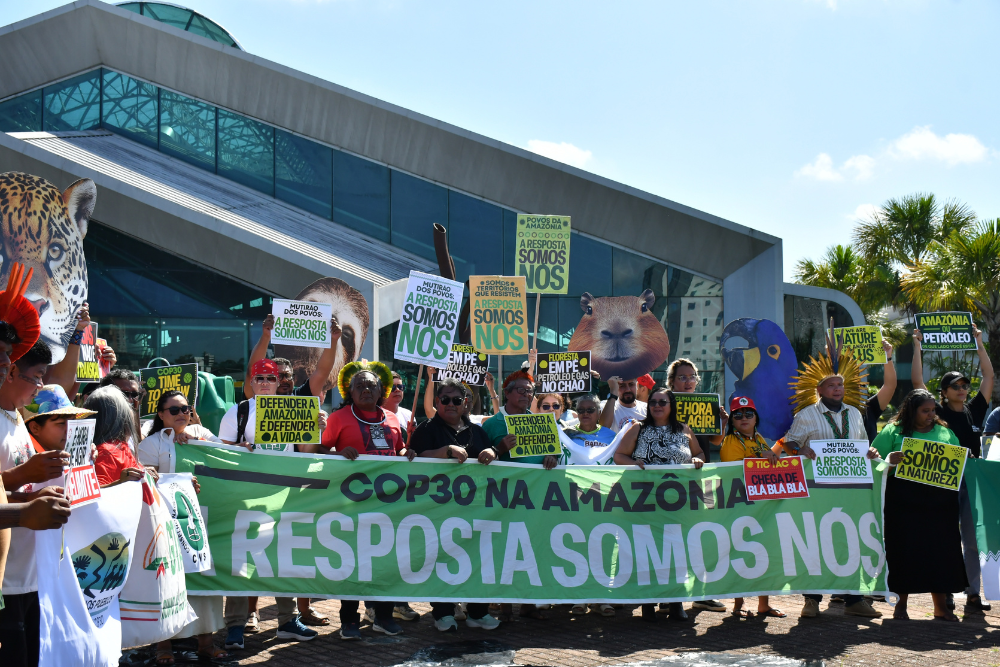

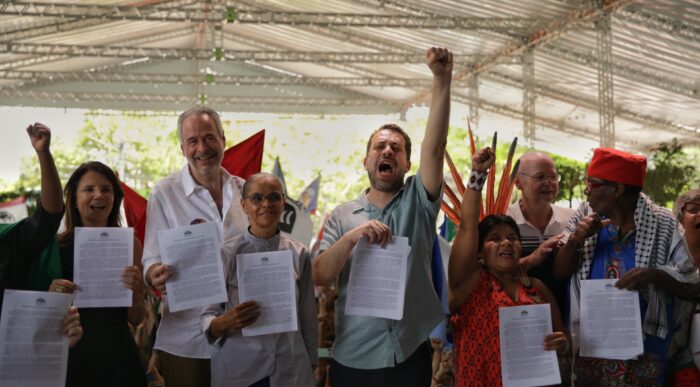
For this reason, during COP, those affected organize themselves in the People’s Summit, an event parallel to the official summit, organized by social movements and civil society organizations. The event seeks to strengthen social participation and the construction of popular solutions to the climate crisis, going beyond the decisions made at official UN conferences.
“We believe that COP 30 in Brazil is an important window of opportunity, first to reinforce the importance of the struggle of affected populations in Brazil and around the world. Second, to bring back to the center of the discussion the problems of the current economic model of production, which is related not only to the climate crisis, but also to the environmental crisis – from a broader perspective – the food crisis, the economic crisis, etc.,” says Francisco Kelvim, one of the coordinators of the Movimento dos Atingidos por Barragens (MAB).
Despite this, for the Movement, the COP debate continues to be largely dominated by diplomats who act to defend the interests of economic blocs and the profits of companies in their countries. “That is why we have seen few practical results over more than 30 years of conferences. In any case, this is an important moment for us to raise our complaints about the problems faced by those affected in rural and urban areas, and to present our proposals for solutions based on popular participation,” says Thiago Alves, a member of the MAB coordination team in Minas Gerais.
The pressure exerted by grassroots organizations in the fight for the rights of affected populations is even more necessary in a year in which Brazil could have had its licensing system dismantled. Even with the environmental tragedies that have become recurrent, Congress recently approved Bill 2,159/2021, known as the “Devastation Bill.” The pressure from grassroots organizations was very important in preventing the bill from having an even more serious impact on the lives of the population. Although President Lula sanctioned the new General Environmental Licensing Law, he vetoed 63 of the nearly 400 provisions, blocking critical points such as the expansion of the License by Adhesion and Commitment (LAC) for medium-potential polluting projects, the unrestricted transfer of licensing powers to the states, the suppression of special protection for the Atlantic Forest, and the limitation of consultation with indigenous peoples and quilombolas in the process of recognition. These vetoes are fundamental to preserving national licensing standards, avoiding serious setbacks, and ensuring social and environmental participation and protection — central themes at COP 30.
In this context, the People’s Summit aims to be a space for resistance against the constant threats of environmental regression in the country. In addition, it is a movement for struggle and the construction of alternatives for a more just future, in which the voices of communities affected by climate change are heard and their demands are met. For over a year, the Summit has been promoting preparatory meetings in different regions of the country to define priority issues that will be debated at the meeting.
The challenges faced by those affected: insecurity and injustice
Despite the intensification of popular mobilization in this COP year, MAB’s struggle to guarantee the protection of the rights of those affected is longstanding. The Movement has historically denounced the consequences of an economic model that causes insecurity and the violation of rights. After all, Brazil has around 24,000 dams registered with the Agência Nacional de Águas e Saneamento Básico (ANA), many of which pose a constant danger to the communities living in their vicinity.
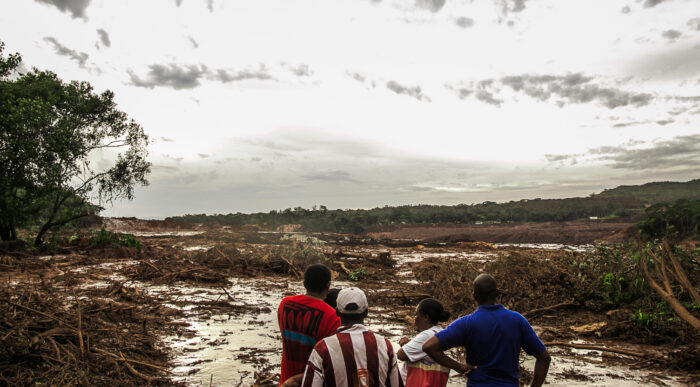
The dam collapses in Mariana (2015) and Brumadinho (2019) in Minas Gerais are emblematic examples. The crime committed by Samarco/Vale/BHP Billiton in Mariana devastated the Rio Doce Basin, affecting more than 40 municipalities. In Brumadinho, 272 people died and Vale’s toxic mud buried the district of Córrego do Feijão. Almost 10 years after the first collapse, those affected have still not received full compensation for their losses, and the Paraopeba and Doce rivers remain contaminated. The lack of oversight and impunity add to the pain of families who are still trying to rebuild their lives amid injustice.
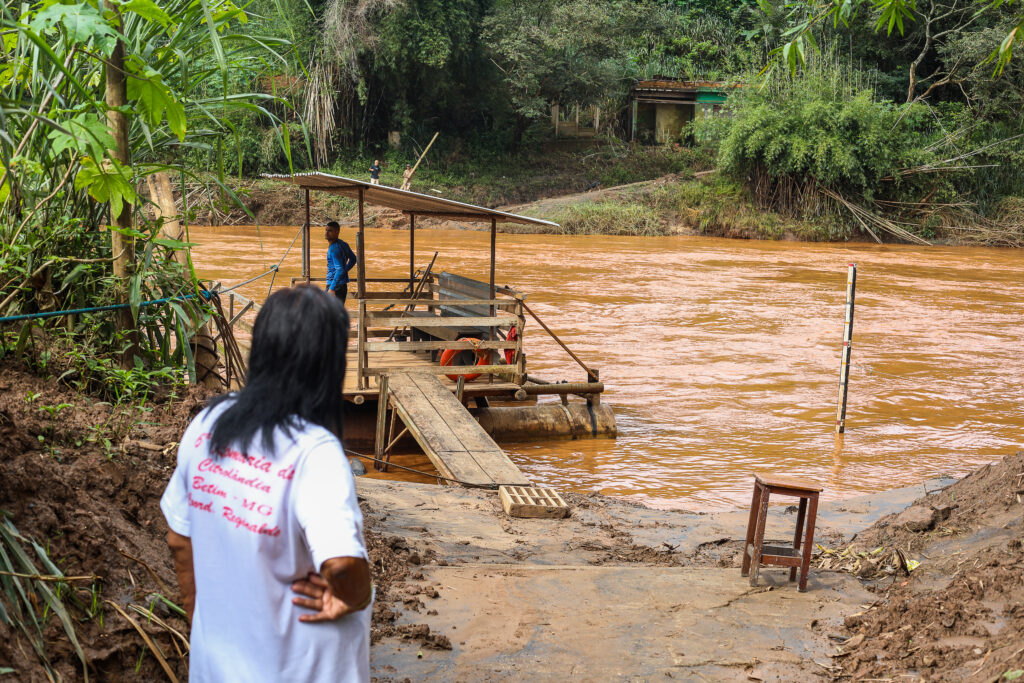
According to Geisa Cristina Tomé, a resident of Betim (MG), climate change has intensified the effects of the dam collapses, which continue to profoundly affect the lives of residents.
“To this day, floods in the Paraopeba River Basin wash toxic waste out of the riverbed, contaminating homes and yards with heavy metals. In Betim, in the Santa Isabel Colony, flooding affects even the pavilions where elderly patients live, requiring evacuations and causing water and power shortages. When the tailings dry, they turn into toxic dust carried by the wind. It is urgent that, during the COP in Brazil, the reality of all those affected by the country’s greatest environmental crimes be debated, so that progress can be made on policies for redress and safety,” says the affected person.
In addition to dam failures, irresponsible dam management also causes devastating floods. In Jequié, Bahia, the opening of the Pedra dam floodgates in 2021 caused flooding that affected thousands of people, displacing families and destroying homes. These events demonstrate how decisions made by companies and managers can directly impact the lives of populations, especially those who are already most vulnerable.
From north to south, the climate crisis hits the most vulnerable hardest
According to the latest survey by the National Center for Natural Disaster Monitoring and Alerts (Cemaden), more than eight million Brazilians live in areas at risk of natural disasters, such as floods and landslides. Most of these people are low-income, living in precarious housing on hillsides and floodplains.
In the south of the country, the historic floods that devastated Rio Grande do Sul in 2023 and 2024 are a reflection of the crisis and the need for resources to accelerate repair efforts. More than 476 municipalities were affected, with hundreds of deaths and millions of people affected, according to the Civil Defense. The tragedy exposed the vulnerability of entire cities and the difficulty of reconstruction in a scenario of increasingly frequent extreme events. Those affected by this catastrophe face the loss of everything: their homes, their businesses, their memories.
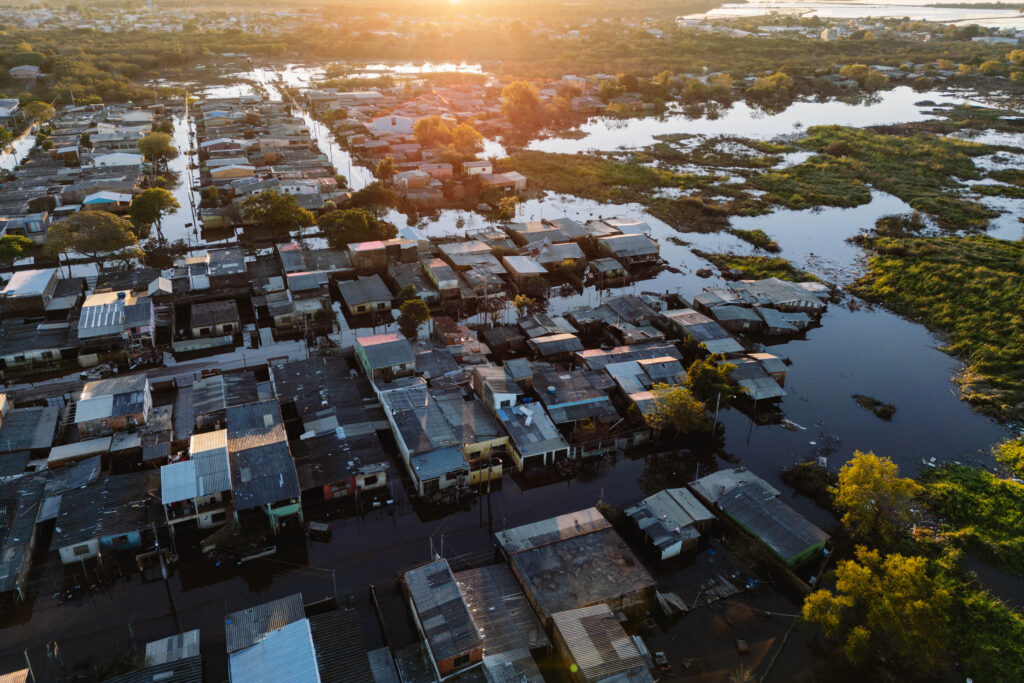
The impact on people’s health is also immense, with an increase in respiratory diseases, leptospirosis, skin problems, and psychological trauma. For Juraci Padilha dos Santos, who experienced the extreme climate crisis during the floods of 2023 and 2024 in the Taquari Valley (RS), for initiatives to overcome this scenario to be effective, it is necessary to value human beings and recognize them as agents of transformation. “Nowadays, we see people as being worth almost less than material things. We are living in an era where we are disposable. This is very sad. Human beings need to be recognized and valued as agents of change. Only people can bring about this change, if they are respected, recognized, and educated in environmental issues,” says Ms. Juraci.
The Amazon between devastating droughts and floods
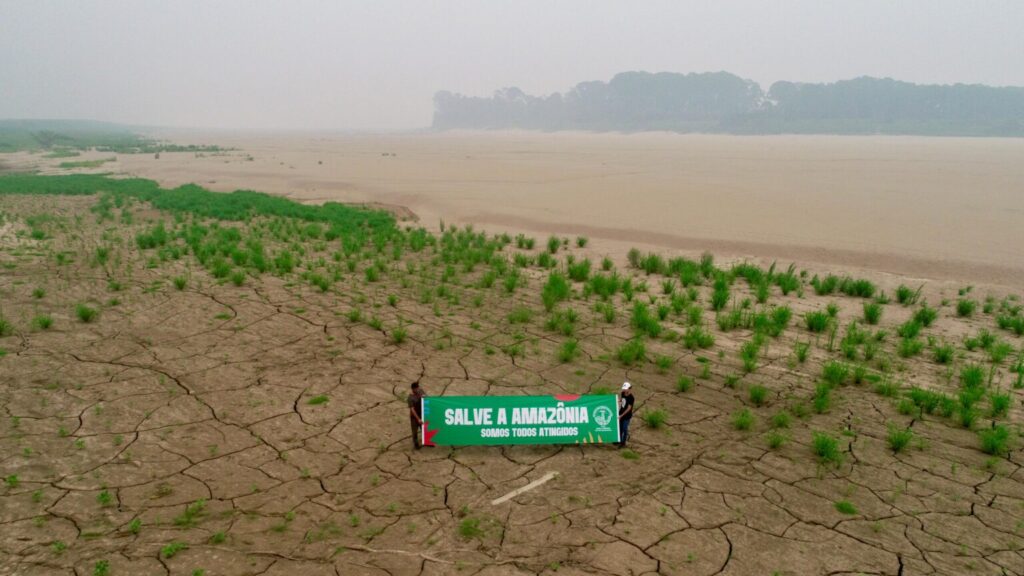
While Rio Grande do Sul tries to recover from floods, the Amazon experiences cycles of extremes. Reports from Cemaden show that, for years, the region has faced prolonged droughts that affect navigation, fishing, and the lives of riverside communities, while also suffering from historic floods. The drought of 2023, for example, was the worst in over a century, exposing the beds of rivers such as the Negro, isolating communities, and causing water and food shortages. On the other hand, the Amazon River has reached record flood levels, inundating cities and forests, destroying crops and homes.
For Cleidiane Vieira, a member of the MAB coordination team in Pará, it is very significant that the Conference is being held in the region.
“For the first time, a COP will take place in the Pan-Amazon region and South America, one of the most biodiverse regions in the world, and everyone’s eyes will be on it. So let the world also listen to what the rivers have to say. As an Amazonian, I must point out that we are the people who suffer most from the climate crisis. Last year, the Amazon experienced a historic drought, affecting our food, transportation, and quality of life. When the rivers dry up, people lose their livelihoods, their streets to get around; they lose what to eat, their culture, and their history,” she warns.
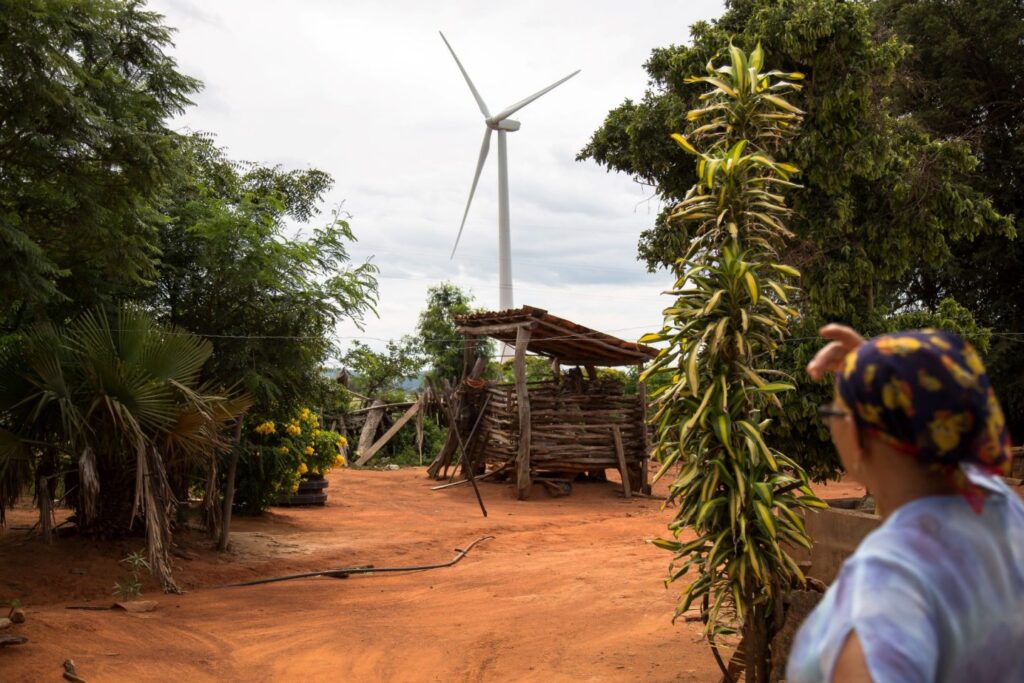
The Northeast suffers from the advance of land grabbing and the impact of large infrastructure projects, such as the installation of ventures created to produce so-called clean energy, which often disrespect the way of life of traditional communities.
Five decades after the construction of the Sobradinho hydroelectric dam, which displaced 72,000 people in the Sertão region of Bahia, communities in Remanso, Casa Nova, Sento Sé, and Pilão Arcado are still dealing with the scars of forced removal and now face new developments, such as wind farms and mining companies. Neto Costa, a resident of Sobradinho (BA), still bears the scars of the dam construction that displaced his family in Sento Sé. “The experience of those affected leaves a bitter mark that stays with them for the rest of their lives, forever etched in their minds. We never imagined leaving the riverbanks and being left to fend for ourselves,” he recalls.
Today, he reports that the community faces new impacts with the arrival of wind farms and the Boqueirão da Onça National Park, which threaten goat and sheep farming, the basis of the local economy. In addition, there is a lack of roads, water, and public policies. “We have not lost hope for better days, but we continue to suffer intensely from these impacts and the lack of action by governments,” he says.
In addition, some regions, such as western Bahia, suffer from disputes over water, mainly related to the intensive use of water resources by agribusiness, especially in the Cerrado region, where large soybean, corn, and cotton crops consume high volumes of water for irrigation. This exploitation has caused the lowering of aquifers, a decrease in river flow, and conflicts with traditional communities, riverine communities, and small farmers in municipalities such as Correntina and Riachão.
The contrast of COP 30: global commitment and domestic regression
Even with this complex scenario, MAB leaders believe that COP 30 in Belém is an opportunity for Brazil to show that it is willing to tackle this crisis, listen to the voices of those affected, and present solutions that put life and the environment ahead of profit.
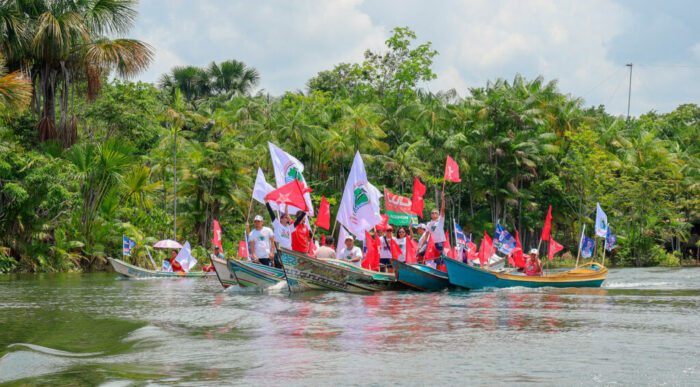
Francisco Kelvim explains that MAB is preparing a series of interventions in the city of Belém during COP, mainly the IV International Meeting of Communities Affected by Dams and Climate Crisis, which will take place in the region in early November. “Those affected around the world will meet in Belém to present a collective response to the crisis we are experiencing. MAB will also join the People’s Summit on that occasion. Therefore, it will be a moment of denunciation and announcement, a space for popular mobilization,” he says.