People’s Summit promotes resistance and climate justice as a counterpoint to COP30
In November, Belém will host the People’s Summit, an event that will bring together more than 10,000 people, giving voice to traditional movements and communities, with solutions to the climate crisis based on social justice
Published 02/10/2025 - Updated 10/11/2025
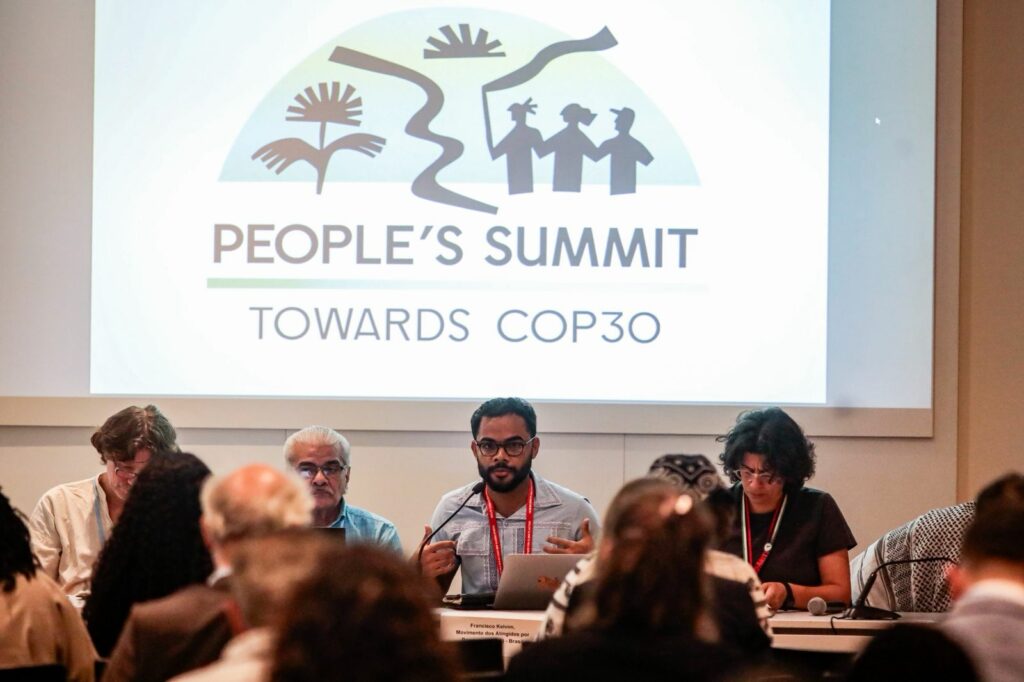
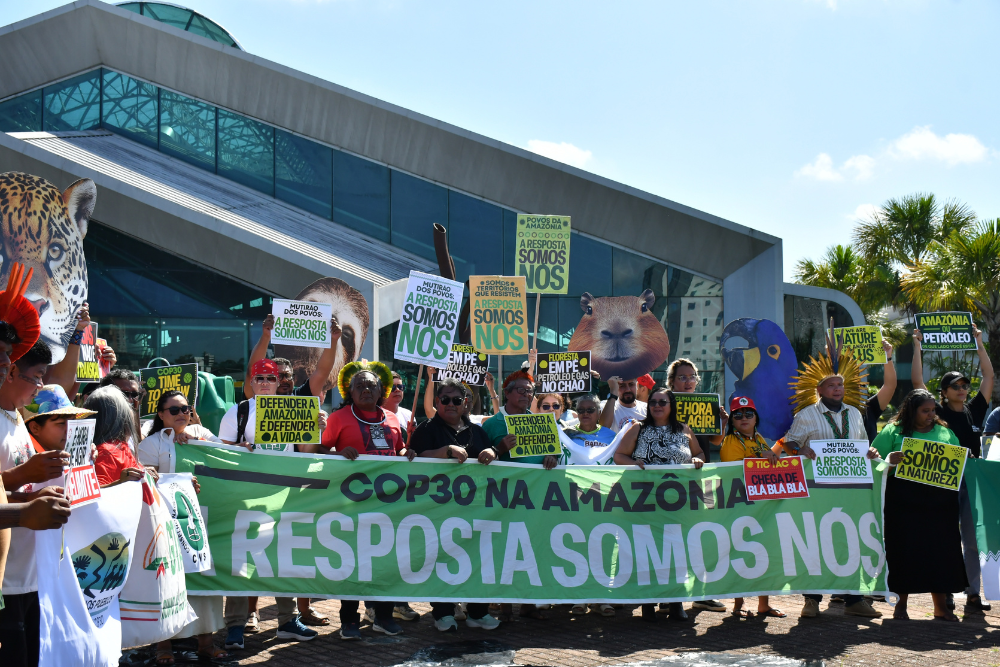
In November, Belém will host the People’s Summit, highlighting the voice of the Amazon and traditional territories and local communities. While COP30 – the UN Climate Conference – brings together governments, heads of state, and companies to negotiate climate goals, the People’s Summit brings together those who experience the effects of the climate crisis on a daily basis and proposes alternative paths based on social and environmental justice. The event will take place from November 12 to 16 and is expected to bring together more than 10,000 people and around 1,000 organizations from around the world.
It is a major international gathering of social movements, civil society organizations, popular collectives, indigenous peoples, quilombolas, traditional communities, youth, trade unions, environmental groups, feminists, and other sectors that meet in parallel with the COP.
Cleidiane Vieira, from the national coordination of the Movement of People Affected by Dams (MAB), explains that this is a popular and critical space to the official COP, which amplifies the voices of the peoples and communities that suffer most from the effects of the climate crisis, but who are marginalized from the decision-making space in formal negotiations:
“Since 2023, we have been coordinating the People’s Summit in the Amazon region, taking advantage of the Amazon Summit, which has already been held, and the COP in the region. Historically, this Summit has been a fundamental space for global coordination, bringing together organizations and networks from around the world that work on climate issues, a challenging discussion for all of us”.
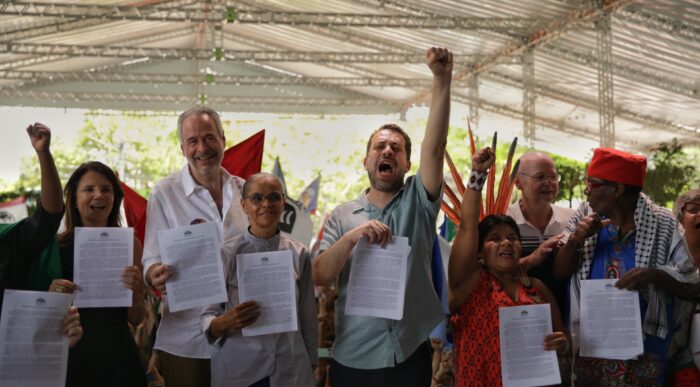
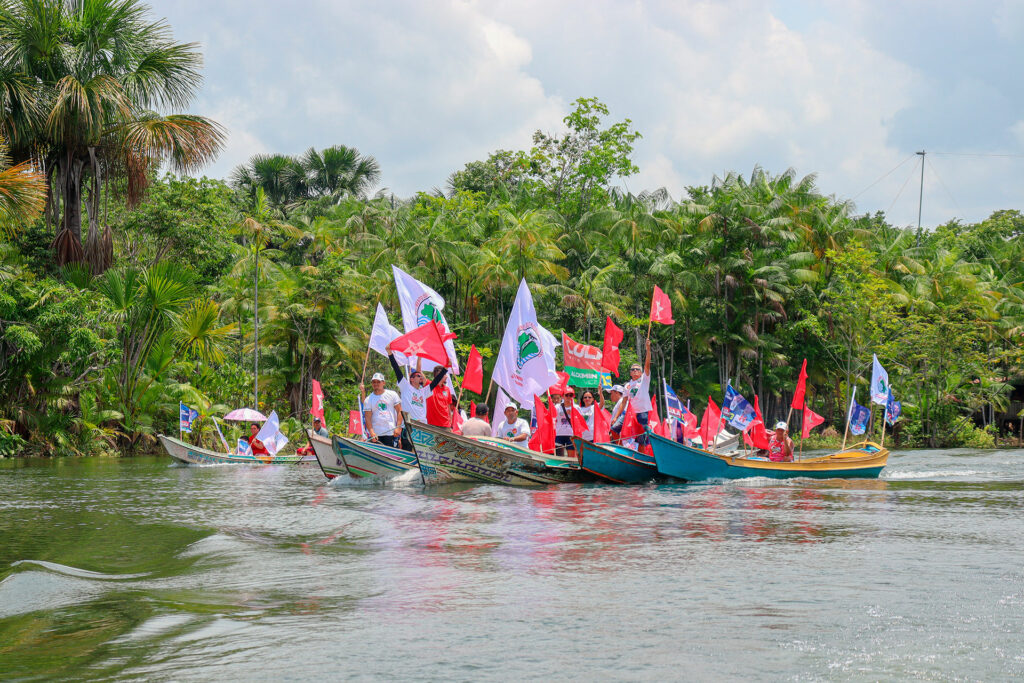
At the end of the Summit, a political letter will be written with demands, complaints, and alternatives to the extractivist model, which prioritizes capital over life and the environment. The organizations will hold a boat parade on the Guamá River, with boats and flotillas from around the world, followed by the Global Climate March on November 15, which will include all organizations.
The first highly visible People’s Summit was at Rio+20 (2012) – the United Nations Conference on Sustainable Development – at Aterro do Flamengo in Rio de Janeiro. Since then, smaller versions and similar meetings have been planned at other COPs.
The organizations that make up the 2025 People’s Summit believe that, in many editions, there has not been significant social pressure from popular movements on the temperature of the internal negotiations at the COP by formal organizations of nations, such as heads of state, international relations, and environment ministries. The event in the Amazon, therefore, which will count on the strength of popular movements in the region and across the country, plus the international coordination previously established, tends to write—according to the movements’ expectations—a new page of popular strength and pressure.
Axes of debate
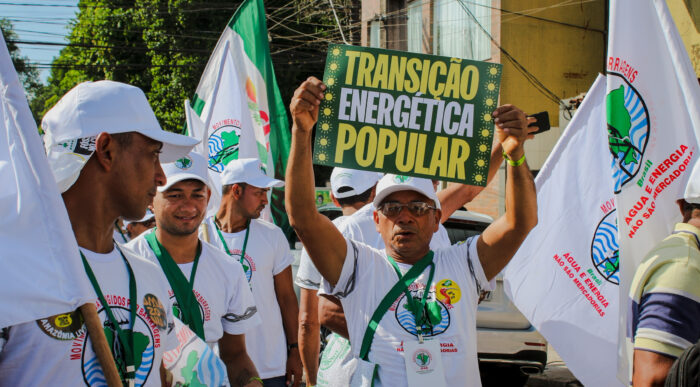
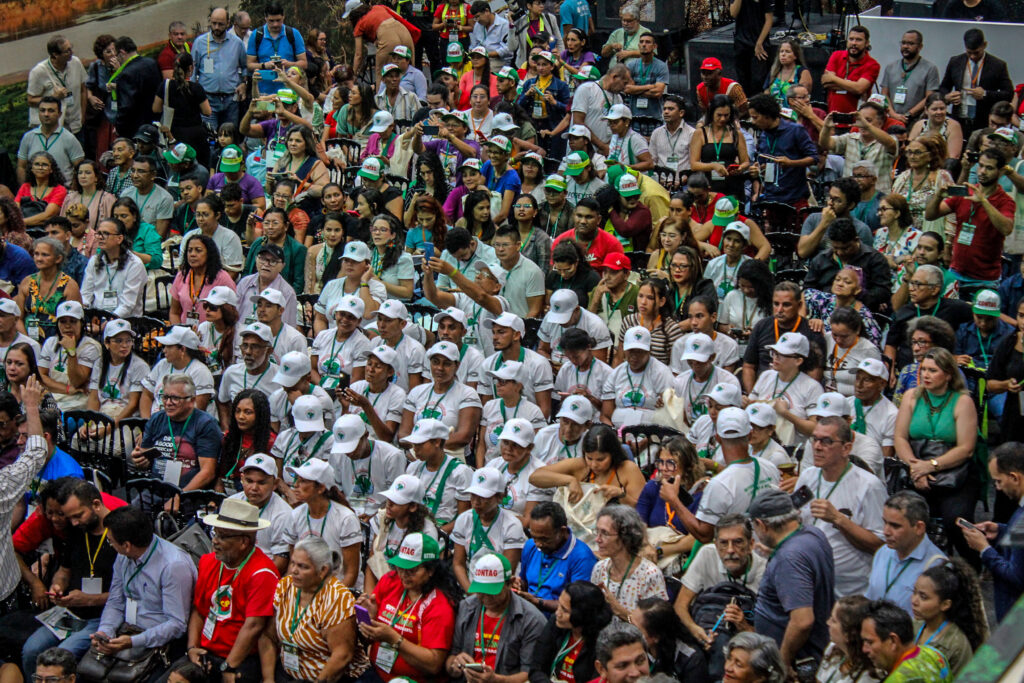
The Summit is divided into six main axes of debate. MAB participates in the articulation of all of them, with a greater focus on Axis 3, which discusses a just and popular transition, where the struggle for a popular energy transition model also takes place. The movement is expected to bring around 1,000 affected people from Brazil, in addition to the 200 delegates from the IV International Meeting of Communities Affected by Dams and Climate Crisis, from countries on five continents.
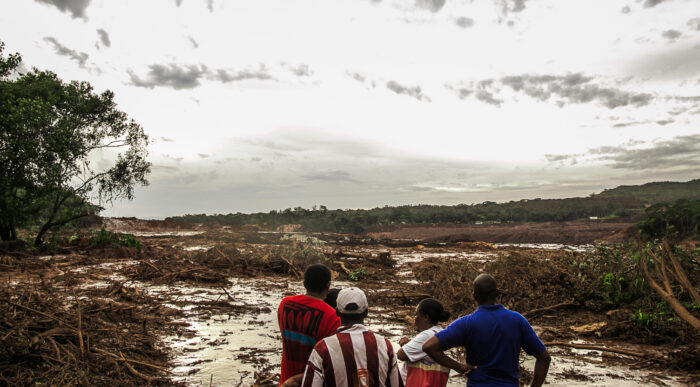
“The MAB’s assessment is that we must take advantage of the moment when the world’s eyes will be on Brazil and the Amazon to denounce this model of energy transition that does not serve the interests of the people and territories. We want to delve deeper and expose the contradictions that this model is bringing to the climate crisis, and how it is changing the lives of those affected by dams, with extreme floods and droughts from north to south of the country,” says Cleidiane.
The organizations articulate a broad and radically social agenda to address the climate crisis, structured around central axes that challenge the current economic model.
The first axis defends Living Territories and Popular Sovereignty, demanding the demarcation of lands and the promotion of agroecology, in direct opposition to predatory agribusiness. The axis of Historical Reparation and Combating Environmental Racism criticizes the unequal impact of the crisis on black and indigenous populations and demands policies that reverse historical vulnerabilities. The proposal for a Just, Popular, and Inclusive Transition seeks to prevent energy change from penalizing communities, raising criticism of the financialization of the climate and advocating for development alternatives that unite social and territorial justice.
The other axes reinforce the defense of Democracy and Internationalism of the Peoples, with a focus on opposing intersectional oppressions; Fair Cities, giving voice to urban peripheries, which are most affected by floods and pollution; and Popular Feminism, which highlights the protagonism and resistance of women in the territories against violence related to extractivism.
Until the People’s Summit on November 12, we will publish weekly texts delving deeper into the six pillars and how MAB will integrate and influence each of them.