4th International Meeting of People Affected by Dams and Climate Crisis will bring together 62 countries in november
Gathered in Belém, Pará, those affected by dams and the climate crisis will seek international unity and coordination of a global strategy for popular energy projects, challenging the capitalist model
Published 30/09/2025 - Updated 10/11/2025
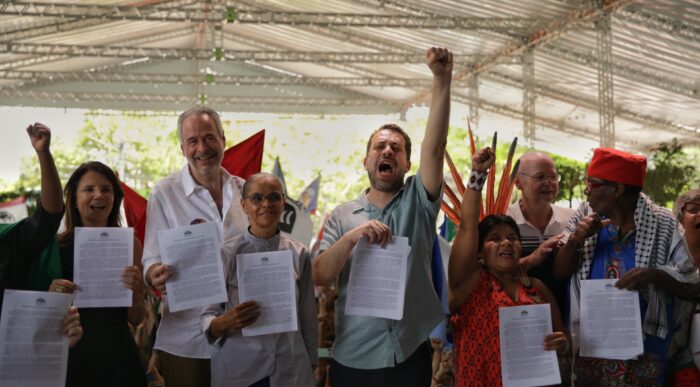
A few days before the start of COP30, the UN Climate Conference, Belém, will host the 4th International Meeting of People Affected by Dams and Climate Crisis. From November 6 to 12, people affected from five continents—including Oceania—representing at least 62 countries and 350 delegates, will debate and coordinate the internationalization of the struggle of those affected by dams, popular energy sovereignty, and the construction of an alternative project to the capitalist system.
According to Soniamara Maranho, from the national coordination of the Movement of People Affected by Dams (MAB) and international coordination of the Movement of People Affected by Dams (MAR), on the first day of the meeting, the delegations will assess the international situation, taking into account the discussions put on the table by countries on tackling the climate crisis, and launch a proposal for a solid international movement of people affected by dams, with its own organization and capillarity.
“Our main goal in Belém will be to create an internationalist unity involving 62 countries from five continents. We want to socialize the global situation, exchange centuries-old experiences, and build a unified strategy so that the peoples affected by dams and the climate crisis can debate and build popular energy projects in their countries, confronting fascism and proposing alternatives to the capitalist system in all territories.”
The days following the start of the meeting will be dedicated to building a space for direct dialogue with governments in order to influence public policy. One of the focuses will be to present and promote debate on legislation such as the National Policy on the Rights of Populations Affected by Dams (PNAB), achieved in Brazil in 2023.
On the final two days, the plenary will focus on systematization and future strategy, aiming to strengthen national movements, reinforce international coordination, ensure unified leadership in all countries, and define common agendas for tackling the climate crisis and large-scale construction projects.
From the 1990s to the present day
The construction of an international movement of people affected by dams began in the 1990s. The meeting arose from the reflection of those affected that the companies and multinationals that promote the construction of dams are organized and constituted internationally.
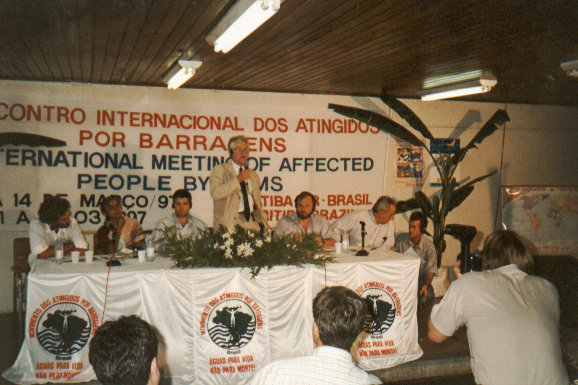
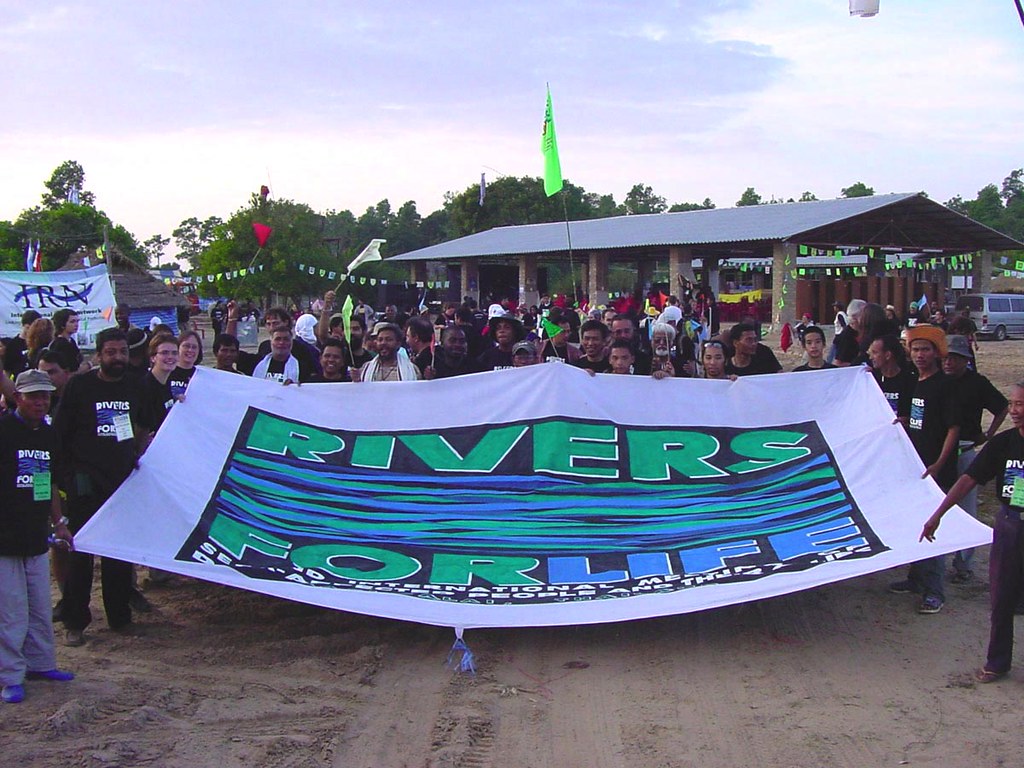
The first meeting took place in Curitiba, Paraná, in 1997, and was attended by delegations from 20 countries. It was at this meeting that the slogan “Water for life, not for death” was coined. The second meeting was held in 2003 in Rasi Salai, Thailand. At this meeting, people affected by dams from 62 countries, as well as activists for the sustainable and fair use of water and energy, came together, united in their concern for life in flooded lands.
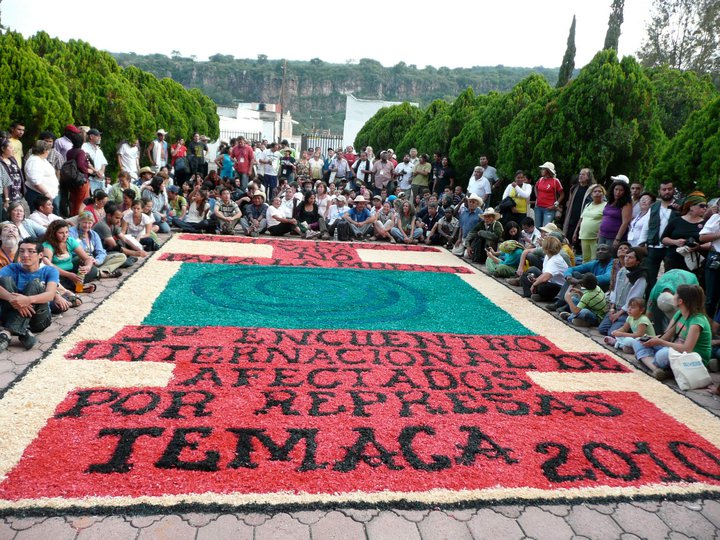
In 2010, Temacapulín, Mexico, hosted the 3rd International Meeting of People Affected by Dams. The setting chosen was a village in danger of being destroyed by the construction of the El Zapotillo dam. Representatives from 52 countries were in Mexico.
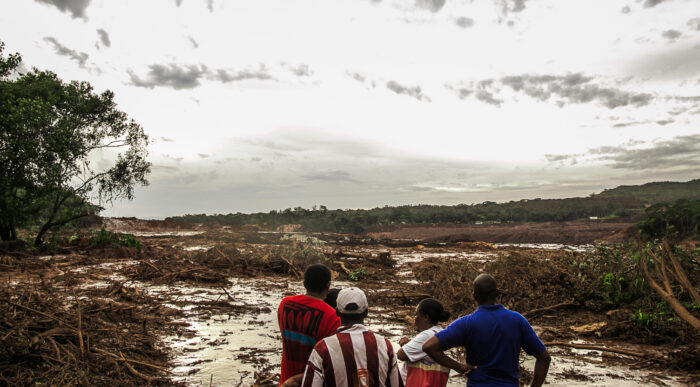
At the meeting, it was emphasized that the climate crisis had already shown its full fury with excessive rains and overflowing rivers in dangerous dams, which were already at maximum capacity. Those affected denounced the construction of dams as obsolete technology and a catalyst for the climate crisis.
María de los Angeles, from the secretariat of the Movement of People Affected by Dams (MAR), emphasizes that the entire journey to this point has involved multiple coordination efforts, meetings, events, and discussions, resulting in those affected by dams now being organizationally ready to launch MAR.