
NOTE | Ensuring rights and fulfilling responsibilities to initiate Annex 1.1
Annex 1.1 (Projects Requested by Communities Affected by Vale in Brumadinho) is part of the Socioeconomic Reparation Program of the Judicial Reparation Agreement
Published 09/06/2025 - Updated 26/09/2025
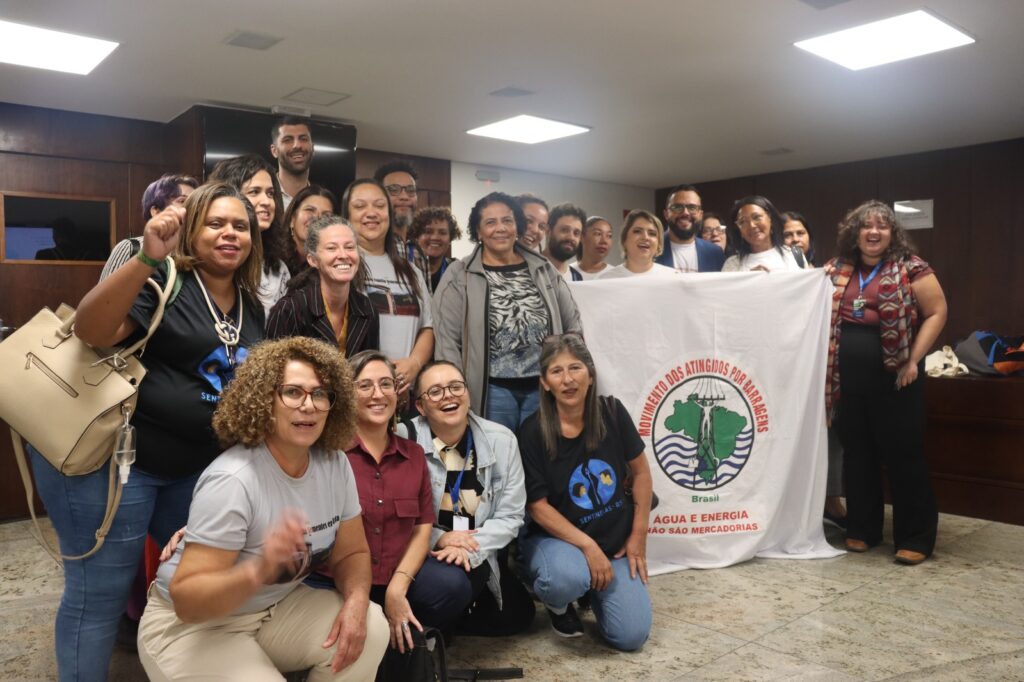
Six years after the crime and four years after the Judicial Agreement, the people affected by Vale’s crime finally see the beginning of community projects. The existence, format, and start of Annex 1.1 are the result of the struggle of those affected, despite the lack of popular participation in the Judicial Agreement.
However, Annex 1.1 will only yield concrete results if the affected population participates, in cooperation with the Justice Institutions (IJ) and the judge responsible. Each party must fulfill its role, working together to achieve the desired outcome.
Thus, the process must begin without several important decisions pending, such as the division of resources and which communities will receive the projects. These uncertainties delay development and create avoidable conflicts and concerns.
Annex 1.1 must be broad and inclusive. It is the duty of the IJs to ensure the inclusion of affected communities and groups that have not yet accessed reparations measures. Technical criteria must ensure that ALL COMMUNITIES THAT HAVE SUFFERED DAMAGE ARE INCLUDED! Setbacks must be prevented. Several communities, even those outside the criteria of the Income Transfer Program (PTR), participated in the process of developing the Final Proposal.
Regarding the distribution of resources, technical criteria must be defined that take into account the damage and characteristics of the affected communities and populations. This decision must be made by the justice system in order to avoid distortions, injustices, and conflicts. Furthermore, the affected people have already decided on this need in an assembly.
It is also urgent that the justice system and judicial institutions take action to force Vale to resolve the socio-environmental remediation and emergency aid issues. Annex 1.1 will be very limited if communities continue to suffer from contaminated water, soil, and air, preventing projects from moving forward. It will also be undermined by the current level of impoverishment resulting from the reduction and future closure of the PTR, without new emergency aid, as required by law.
In order for those affected to participate, it is essential to ensure adequate conditions. Many people leave their jobs and routines to build reparations. It is also necessary to have high-quality work from Independent Technical Advisory Bodies (“ATIs”).
Finally, those affected should be provided with information and decide on the priority use of the R$ 700 million allocated for Support Structures. It is important that the IJs prioritize the payment of ATIs (a legally established right) and return the borrowed funds to Annex 1.1. To ensure reparation, it is essential to define an appropriate and immediate form of investment for all the resources in Annex 1.1 (R$ 3 billion), avoiding losses.
Those affected will remain vigilant and active in order to implement community projects! Water for life!