

People affected in Chapada Diamantina win the right to independent technical assistance in Bahia
In historic compliance with the PNAB, after eight years of negotiations and conflicts arising from the construction of the Baraúnas/Vazante Dam, a Socio-Environmental Commitment Agreement is signed for the implementation of the ATI in the affected territories
Published 27/05/2025 - Updated 26/09/2025
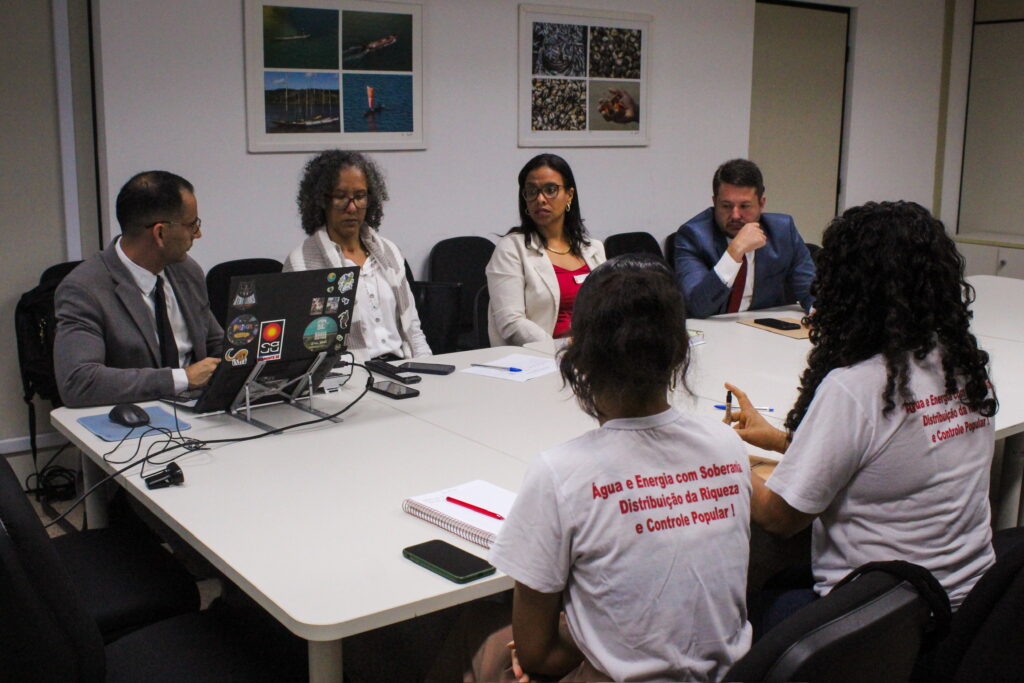
On Friday (16), a public hearing was held in Salvador (BA) to discuss the Socio-Environmental Commitment Agreement (TCSA), which ensures the implementation of instruments from the National Policy for Populations Affected by Dams (PNAB) in communities impacted by the construction of the Baraúnas/Vazante Dam in Chapada Diamantina (BA).
Today (27), with the official signing of the TCSA, those affected celebrate an important step in the fight for rights and concrete responses from the Bahia Water and Sanitation Engineering Company (CERB) – responsible for the project – and the State of Bahia, which for years has neglected the appeals of families.
The hearing was attended by representatives from the Movement of People Affected by Dams (MAB), the Bahia State Public Prosecutor’s Office (MPBA), the Secretariat for Water Infrastructure and Sanitation (SIHS), and CERB’s legal counsel.
Among the instruments achieved are Independent Technical Advisory Services (ATIs) and the Environmental Plan for the Conservation and Use of the Surroundings of Artificial Reservoirs (PACUERA), both aimed at guaranteeing the rights of affected communities and protecting the environment in the face of large-scale projects.
“This process required several meetings and discussions, which culminated today with approval from both CERB and the Water Infrastructure Secretariat, which committed to carrying out the entire process of hiring the Independent Technical Advisory Firm, in addition to allocating the necessary resources for this,” explains prosecutor Alan Cedraz, from MPBA.
ATIs are essential for communities to participate in an informed and qualified manner in the processes of diagnosis, negotiation, and oversight, promoting autonomy and capacity for mobilization. This will be the first time that the PNAB (Law 14,755) will be implemented in a concrete way, by defining guidelines for full reparation, including the mandatory participation of ATIs.
For MAB, the enforcement of the law transcends mere legal compliance; it is a historic achievement. “The signing of this agreement reflects years of struggle by the affected population of Chapada Diamantina. We will also have the first implementation of the PNAB through the ATI, which will guarantee the right to information and equality of arms for those affected,” says Iandria Ferreira, who was affected by the project and is a member of the MAB National Coordination.
The history of the conflict
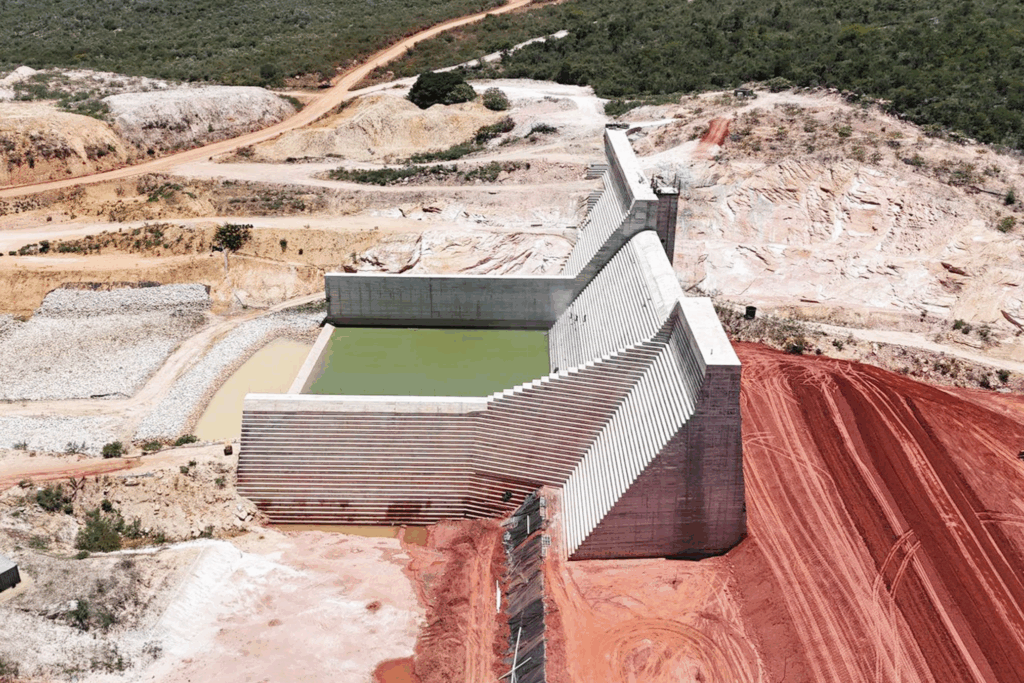
The construction of the Baraúnas/Vazante Dam, located in Chapada Diamantina (BA), was approved in March 2017 by then-Governor Rui Costa (PT), who later became part of the Growth Acceleration Program (PAC). Its execution was entrusted to the Bahia Water and Sanitation Engineering Company (CERB), a company linked to the Secretariat of Water Infrastructure and Sanitation (SIHS) of the state of Bahia.
With a capacity to store around 20.86 million cubic meters of water, the reservoir was designed to meet different demands: human supply, animal watering, irrigated agriculture, and the regulation of the flow of the Cochó River. However, since its announcement, the project has generated a series of conflicts in the affected territories, affecting not only the quilombola community of Vazante, but also around 200 people in the riverside communities of Caititu, Marcelos, and Baraúnas, in the municipalities of Boninal and Seabra.
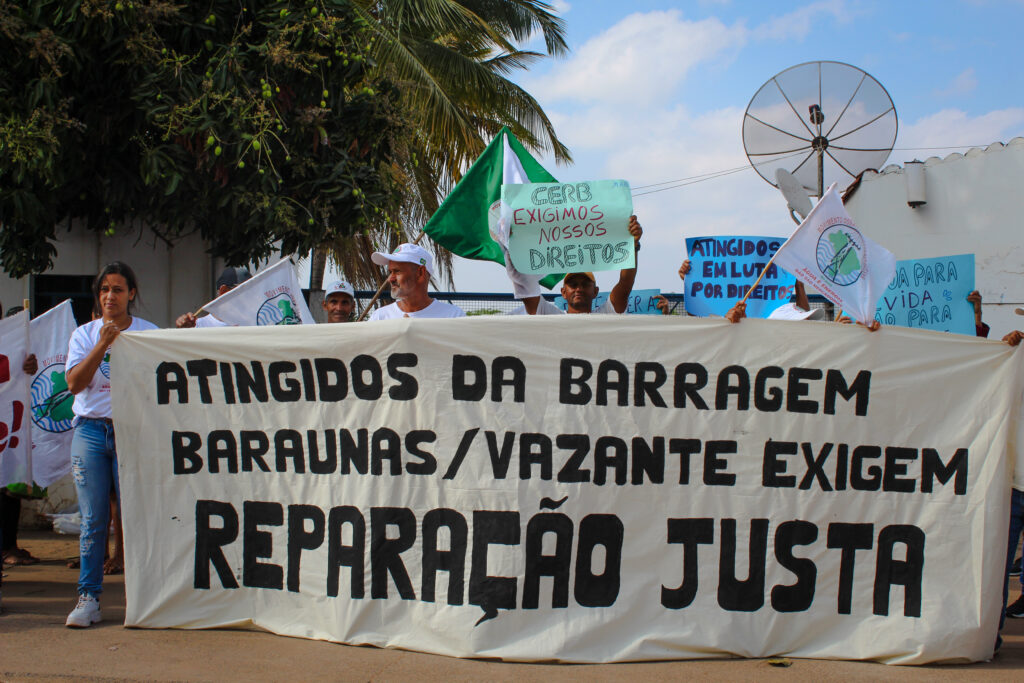
In 2018, CERB filed a lawsuit to expropriate two areas designated for housing construction, where those affected would be relocated in precarious conditions. The families reported that the action was taken without prior consultation and that it represented an attempt to misrepresent the conflict. In addition, there was an attempt to individualize the negotiations, which led the Movement of People Affected by Dams (MAB) to denounce the company’s conduct and point out a series of human rights violations, such as the right to information, participation, full compensation for losses, adequate housing, among others.
After intense pressure from families organized in the Movement, a dialogue table was set up, with several rounds of negotiations and requests for the cancellation of the lawsuit. This led CERB to abandon the initiative.
In 2019, MAB presented a proposal aimed at guaranteeing the rights of communities, but in the absence of a response from the company, the Movement opted to occupy its headquarters in Salvador, an action that led to progress in the dialogue and in the list of demands – which included land regularization, fair compensation, and the resettlement of families. In the same year, MAB filed a complaint with the Public Prosecutor’s Office of the State of Bahia (MPBA), opening a civil inquiry process.
During the Covid-19 pandemic, construction work was halted, and consequently, so was the inquiry process. Even so, over the years, negotiations continued in an unstable manner, with little effective progress.
On December 15, 2023, Law 14,755 was enacted, establishing the National Policy on the Rights of Populations Affected by Dams (PNAB), an essential legal instrument for measuring damages, but also for ensuring equality and social justice for those affected.
“With the approval of the law, the Public Prosecutor’s Office then directs its Civil Inquiry – without neglecting the other issues that are dealt with in the procedure – seeking to implement the hiring of Independent Technical Advisory Services. With this, it aims to ensure that the community has this tool for equalization,” concludes Cedraz.
In April this year, the Movement sent a letter to Governor Jerônimo Rodrigues (PT), demanding reparations and denouncing the prolonged conflict that has been dragging on for more than eight years. MAB points out that, although the project is nearing completion, those affected remain paralyzed by uncertainty, waiting for reparations that never arrive.
Read more
Em carta pública, MAB cobra reparação justa para atingidos por barragem na Chapada Diamantina (BA)
In addition, the insecurity caused by the conflict surrounding the dam has had a profound impact on the mental health of families. Without clear answers about the future and fearing the loss of their land, many of them face anxiety, distress, and depression. The prospect of seeing the place where they raised their children, cultivated the land, and built emotional ties over generations disappear has created a climate of constant tension and suffering.
